UMortgage+ powered by NEXA Lending

Mortgage loans in Cincinnati, Ohio for buyers, refinancers, and homeowners

Chad Cattani helps you buy, refinance, or tap your home equity with clear answers, side-by-side options, and fast closings. Get pre-approved online in minutes, or book a call to talk through your numbers. There's no obligation.

NMLS #19054 · Licensed in AK, AZ, AR, FL, IN, KY, OH, TN, WY · (513) 766-1693

Chad Cattani, Sales Director
Headshot of Chad Cattani
Your loan officer

Meet Chad Cattani

Chad Cattani (NMLS #19054) is a loan originator at UMortgage+ in Cincinnati, Ohio, with 19 years in the mortgage industry. He's licensed in nine states: Alaska, Arizona, Arkansas, Florida, Indiana, Kentucky, Ohio, Tennessee, and Wyoming. He got into this business after being taken advantage of on his own first home purchase at 20, and he has spent his career making sure it doesn't happen to anyone else. Chad works with every loan type, from conventional, FHA, and jumbo to DSCR and non-QM. VA loans and first-time buyers are where his heart is. His promise is simple: upfront, honest, and transparent, every time.

  • TitleSales Director
  • NMLS#19054
  • Experience19 years
  • Licensed inAK, AZ, AR, FL, IN, KY, OH, TN, WY
  • ServingGreater Cincinnati, including Northern Kentucky and Southeast Indiana
  • LanguagesEnglish
Book a Call with Chad Full bio →
From the blog

Latest from the blog

Guides and answers Chad publishes for buyers and homeowners in Cincinnati.

Cincinnati, Northern Kentucky or Southeast Indiana? What Changes When You Buy Across the River

Cincinnati, Northern Kentucky or Southeast Indiana? What Changes When You Buy Across the River

Ohio, Kentucky or Indiana? How transfer taxes, loan limits, down payment help and licensing change across Greater Cincinnati, without rate quotes. ...more

Local Market

November 17, 2026

Using Your VA Home Loan in Cincinnati and Northern Kentucky: No Down Payment, Entitlement and What Veterans Should Know

Using Your VA Home Loan in Cincinnati and Northern Kentucky: No Down Payment, Entitlement and What Veterans Should Know

How VA home loans work in Cincinnati and Northern Kentucky: no down payment, entitlement, 2026 limits, the VA appraisal and Ohio tax help, without rate quotes. ...more

VA Loans

October 06, 2026

How it works

From pre-approval to keys in 4 steps

  1. Get pre-approved

    Apply online in about 15 minutes. We review your credit, income, and assets and tell you what you qualify for.

  2. Compare options

    See programs side by side, with rate, payment, and cash to close, so you can choose with confidence.

  3. Lock your rate

    Once you're under contract, or ready to refinance, lock your rate and we order the appraisal and title.

  4. Close & fund

    Underwriting signs off, you sign your documents, and your loan funds. We keep you updated at every step.

Local spotlight

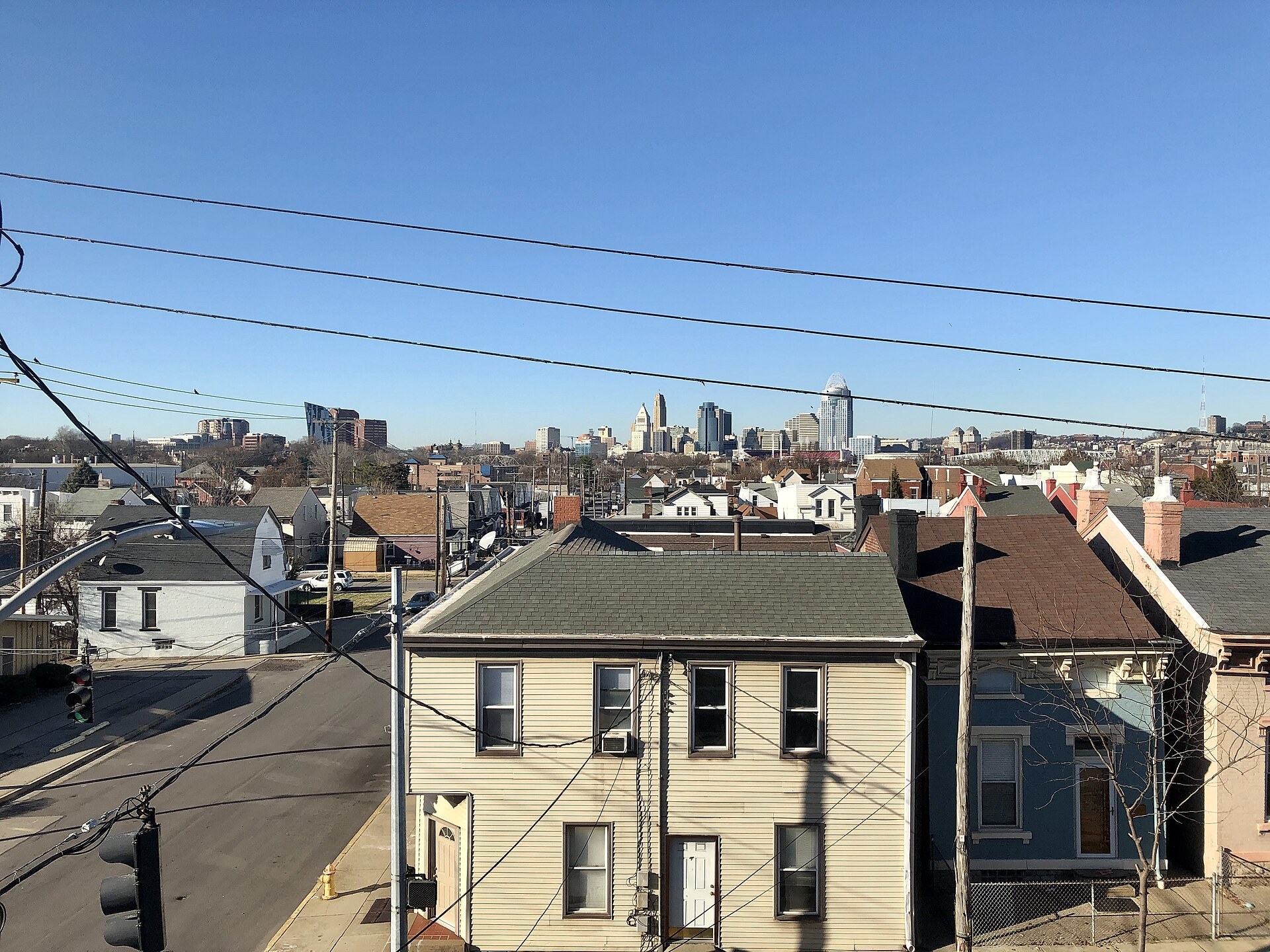
Buying a home in Cincinnati, Ohio

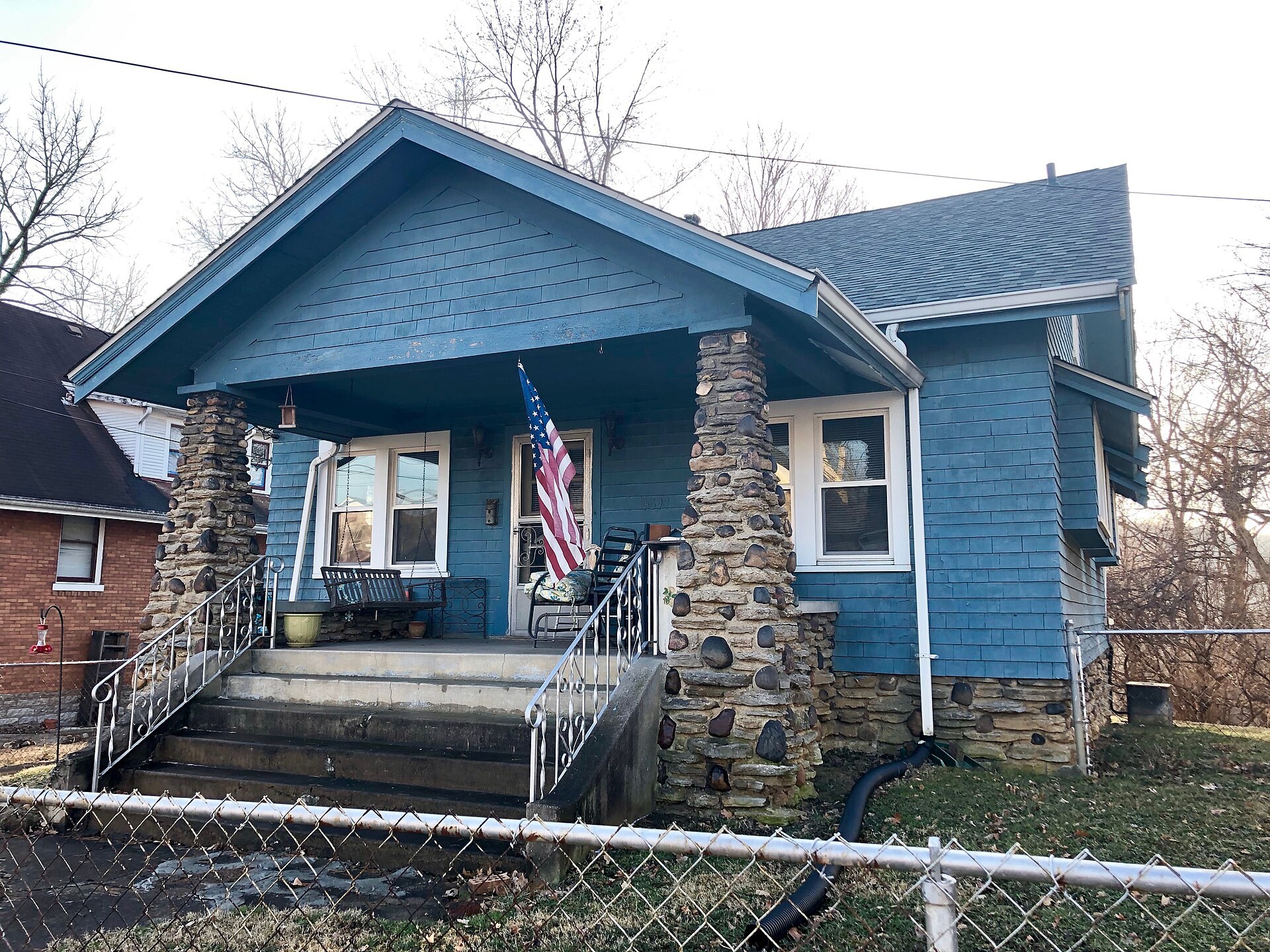
Greater Cincinnati crosses three states. Cincinnati and Hamilton County are in Ohio, Northern Kentucky's Boone, Kenton and Campbell counties are across the river, and Southeast Indiana includes Dearborn County, so the property's state decides which transfer tax, property tax rules and state down payment programs apply. HUD sets one FHA limit for the whole Cincinnati metro: its 2026 table uses a median sale price of $380,000, so the area sits at the national floor of $541,287 for a single-family home, and conventional loans use the national conforming limit of $832,750. Much of the city's housing is older, so expect FHA and VA appraisers to look closely at condition items such as peeling paint on homes built before 1978, roofs and mechanicals. Veterans with full VA entitlement have no VA loan limit, and Ohio homeowners with a 100% service-connected disability rating can apply to their county auditor for the enhanced homestead exemption, which shields $59,400 of market value from property tax for tax year 2026. Self-employed buyers and investors have options beyond tax-return loans, including bank-statement and rental-income (debt-service coverage) programs.

Down payment help

American Dream Downpayment Initiative (City of Cincinnati)

The City of Cincinnati's Department of Opportunity and Resident Services offers $10,000, $12,000 or $14,000 toward the down payment for lower-income first-time buyers purchasing inside Cincinnati city limits; the amount depends on household income ($14,000 at or below 50% of area median income, $12,000 at 51% to 65%, and $10,000 at 66% to 80%). It is a 0% deferred loan forgiven 20% per year over five years while you live in the home. Household income must be at or below 80% of area median income (2026: $61,550 for one person, $79,150 for three, $87,900 for four), the price can be no more than $247,000 for an existing home or $330,000 for new construction, the home must pass a city housing-code inspection, and HUD-approved homebuyer counseling is required. The first mortgage must be a fixed-rate conventional, FHA or VA loan. Funding is limited, so ask about current availability before counting on it.

Program details (opens in new tab) →

Read the Ohio Homebuying Guide

Program terms, income limits, and funding change often and are set by the program administrator. Updated 2026-11-24.

Straight answers

Common mortgage questions

How much house can I afford on my salary?

Most lenders want your total monthly debts, including the new house payment, to be roughly 36–45% of your gross monthly income or less, and some programs allow more. As a rough example, a $70,000 salary ($5,833/month) with few other debts often supports a total house payment of about $2,000–$2,400. Your rate, taxes, insurance, and down payment decide the final price. A pre-approval gives you your real number.

How much do I need for a down payment?

Usually far less than 20%. Conventional loans start at 3% down for qualified first-time buyers, FHA at 3.5%, and VA and USDA loans can require 0% down. On a $300,000 home, that's $9,000 (3%) or $10,500 (3.5%), plus closing costs. Down payment assistance programs in Ohio may cover part of it.

Is $10,000 enough to buy a house?

Often, yes. $10,000 can cover a 3–3.5% down payment on a home priced around $285,000–$330,000. Seller credits or down payment assistance can help with closing costs. Whether it's enough depends on the price, the loan program, and the closing costs in your area.

Do you pay back an FHA loan?

Yes. An FHA loan is a regular mortgage that you repay monthly. The Federal Housing Administration insures it for the lender, which is why it allows lower down payments and credit scores. FHA loans include mortgage insurance. Some down payment assistance paired with an FHA loan is a grant or a forgivable second loan, and that part may not need to be repaid.

When is refinancing worth it?

Refinancing is usually worth it when your monthly savings cover the closing costs before you plan to move or refinance again. That's your break-even point. The old "2% rule" (refinance only when rates drop 2 points) is outdated. Even a 0.5–1% drop can pay off on a larger loan if you'll stay long enough. Refinancing can also make sense to remove mortgage insurance, shorten your term, or take cash out.

How much does it cost to refinance a $300,000 mortgage?

Refinance closing costs usually run about 2–5% of the loan amount, so roughly $6,000–$15,000 on $300,000. That covers lender, appraisal, title, and recording fees. You can often roll the costs into the loan or take a slightly higher rate in exchange for lender credits. Streamline options such as the FHA Streamline and VA IRRRL can cost less.

Can I refinance with less than 20% equity?

Yes. Conventional rate-and-term refinances can go up to about 97% loan-to-value, FHA up to about 97.75%, and the FHA Streamline and VA IRRRL often need no appraisal at all. Cash-out refinances generally require more equity: you usually keep at least 20% (VA allows more).

What determines my mortgage rate?

Your rate depends on market conditions (bond yields), your credit score, your down payment or equity, the loan type and term, the property type and use, and whether you buy discount points. Rates change daily, so the best way to see yours is a personalized quote, not an advertised average.

These are general educational answers, not loan approvals or rate quotes. Eligibility, terms, and costs depend on your situation and current program guidelines.

Client reviews

What clients say about Chad

Worked with Chad? Leave a Google review (opens in new tab) →

Ready to see what you qualify for?

Applying for pre-approval takes about 15 minutes. Prefer to talk first? Book a call with Chad or call (513) 766-1693.

Apply Now Book a Call

Want side-by-side loan options for your scenario?